
Giving Students a Voice
Aug 31, 2026
story
Seeking
Visibility


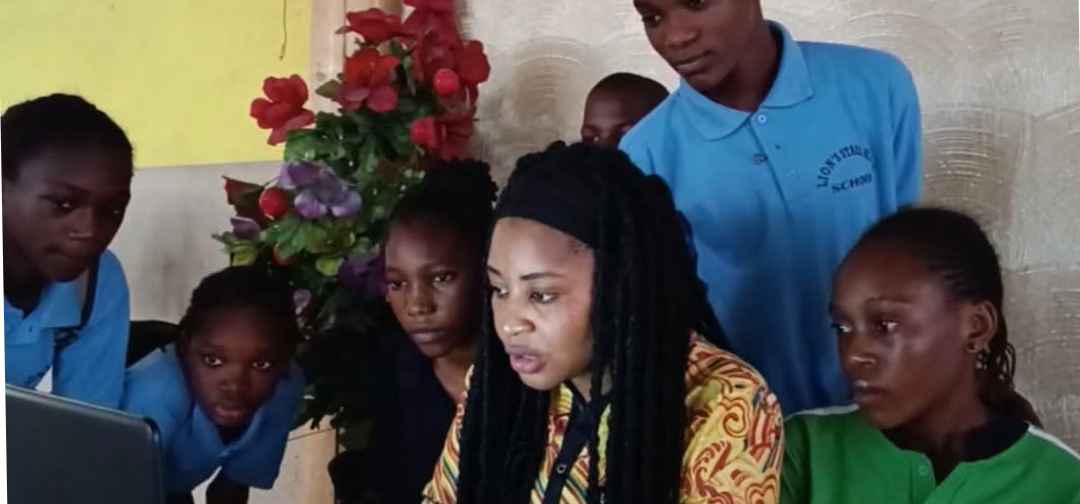
A classroom where students have a voice is a classroom where students learn that their presence matters.
A classroom is not merely a place where teachers speak and students listen. It is a community where ideas are exchanged, questions are asked, experiences are shared, and learning happens together.
Yet, in many classrooms, the teacher's voice remains the loudest.
The teacher decides what to teach, how to teach it, and sometimes even what students should think. Students may be present physically, but their ideas, experiences, opinions, and concerns may remain unheard.
This is why student voice matters.
Giving students a voice does not mean giving them control of the classroom. It means creating meaningful opportunities for them to express their thoughts, ask questions, make choices, share experiences, and contribute to decisions that affect their learning.
Students Are Not Empty Vessels. Students are more than recipients of information. They come into our classrooms with experiences, questions, ideas, talents, and perspectives. When we create space for them to express these, learning becomes more meaningful.
A student who is encouraged to speak learns to communicate, think critically, listen to others, disagree respectfully, and defend ideas with evidence.
When we give students a voice today, we prepare them to become confident contributors to society tomorrow.
Student Voice Builds Confidence.
Think about the child who never raises a hand because they are afraid of being wrong.
Now imagine the teacher saying: "There is no shame in being wrong. Tell us what you think, and let's learn from it together.". Those simple words can change everything.
When students know that their contributions will be respected, they become more willing to participate. The quiet child may begin to speak. The hesitant learner may begin to ask questions. The struggling student may finally say, "I don't understand. Can you explain it differently?"
That is the power of feeling heard. Listening Can Make Us Better Teachers. Student voice does not only benefit learners. It also helps teachers understand their students better.
Instead of simply asking, "Did you understand?", we can ask:
"What part was difficult?"
"What helped you learn?"
"What could I have done differently?"
"How can we make this lesson better?"
Their answers can reveal things we may never discover through tests and examinations. Sometimes, the student is giving us the assessment we didn't know we needed.
Voice Must Be Inclusive. But whose voices are we hearing?
Often, it is the confident students who speak the most. What about the quiet child? The struggling learner? The student who fears being laughed at? The learner who communicates better through writing, drawing, technology, or small-group discussions?
Every student deserves an opportunity to be heard. Student voice must be inclusive. We must create different pathways through which learners can express themselves. Voice Comes With Responsibility
Giving students a voice does not mean abandoning teacher authority. Students must also learn that having a voice comes with responsibility.
They must learn to speak respectfully, listen to others, support their opinions, accept different perspectives, and understand that their preferred idea may not always be chosen.
The goal is not a classroom without leadership. The goal is a classroom where leadership includes participation.
Preparing Students for Life
Education should prepare students for more than examinations.
A student who learns to express an opinion respectfully is developing citizenship skills.
A student who listens to another perspective is developing empathy.
A student who participates in decision-making is developing leadership.
A student who asks questions is developing critical thinking.
Student voice is not an extra activity in education. It is part of education itself.
What Can Teachers Do?
We can start small.
Ask students for their opinions and genuinely listen.
Give them meaningful choices.
Invite feedback.
Allow them to lead discussions and activities.
Create safe spaces where questions are welcomed.
And most importantly, act on their feedback when possible.
There is little value in asking students for their opinions if we never listen or respond.
The Classroom We Should Build
Imagine a classroom where a student can confidently say: "I have an idea." "I don't understand yet.". "I don't agree, and here is why.". "Can we try another approach?". "I think there is a better way."
And the teacher responds: "Tell me more."
Those three words can open the door to deeper learning.
Giving students a voice is ultimately about dignity.
It tells them:
You are seen. You are heard. Your ideas matter. Your questions matter. You have something valuable to contribute.
The classroom should not only teach children how to follow instructions. It should teach them how to think, question, communicate, collaborate, lead, and participate. Because when we give students a voice, we are not simply improving their learning.
We are helping them discover the power of their own voice and teaching them how to use it responsibly beyond the classroom.
A Reflection for Educators
If your students could tell you one honest thing about their learning experience without fear of judgment, what do you think they would say?
Perhaps the first step toward giving students a voice is simple:
Stop talking for a moment. Listen.
Sometimes, the most important lesson begins when the teacher becomes the listener.
Conclusion
Giving students a voice is not simply about just allowing them to speak; it is about making them feel that what they say matters.
When students are heard, they become more confident, engaged, responsible, and willing to take ownership of their learning.
As educators, we must move beyond asking students to listen and create classrooms where they are also listened to. We must give all the children the opportunities to question, contribute, make choices, share their experiences, and participate meaningfully in their learning.
Every child has a voice, but not every child has been given the space to use it.
Let us create classrooms where students do not merely hear our voices, but where we make room to hear theirs.
Because sometimes, the greatest lesson a teacher can teach is not by speaking but by listening.
A classroom where students have a voice is a classroom where students learn that their presence matters.
- Environment
- Technology
- Leadership
- Human Rights
- Education
- Global