
The Seat I Never Imagined I Would Occupy
Jul 29, 2026
story
Seeking
Encouragement
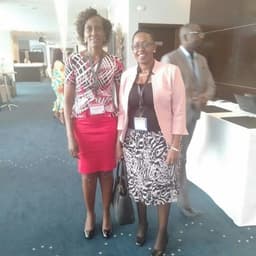
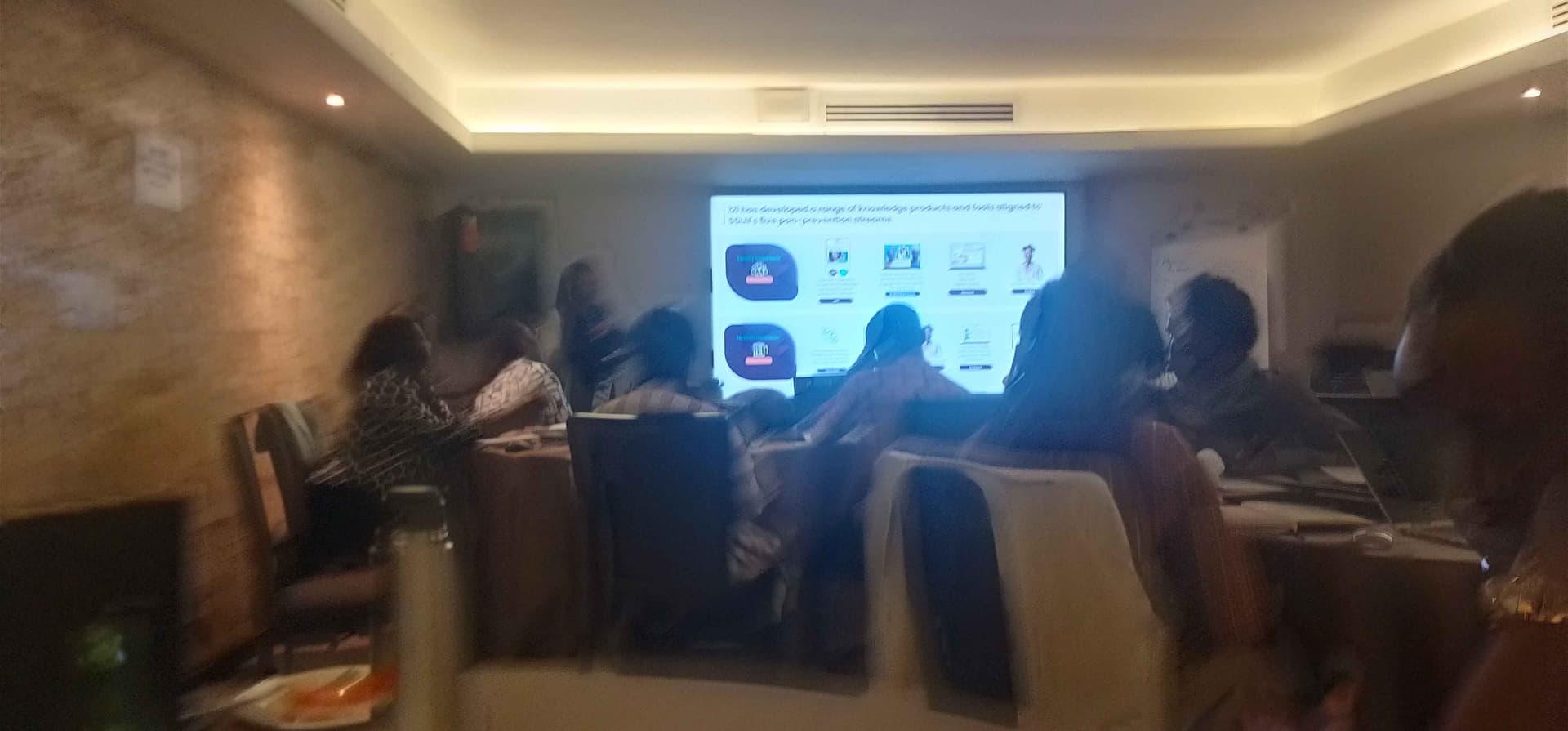
Photo Credit: Kristine Yakhama
When I walked into the meeting room in Nairobi, I paused for a moment before taking my seat.
Around me were directors from the Ministry of Health, senior officials from the National Police Service, representatives from the Department of Defence, development partners, scientists, and national HIV experts. Their conversations were filled with technical terms, policy discussions, and strategies for ending HIV in Kenya.
Then I reminded myself why I was there.
I was not there because I had the most impressive title.
I was there because I carried the voices of women who may never enter that room.
For years, I have walked dusty roads in villages, sat on wooden benches outside small homes, listened to mothers worried about feeding their children, comforted women living with HIV who feared rejection, and encouraged young girls to believe that their dreams mattered. Those experiences became my qualification.
Growing up, I never imagined that one day I would sit alongside national decision-makers discussing Kenya's HIV prevention strategy. Like many grassroots women, I believed leadership belonged to people in offices, people with important titles, or those living in big cities.
I was wrong.
Leadership begins wherever someone chooses to care enough to act.
My journey has never been easy. As a community advocate, I have often worked with limited resources, unreliable transport, and little recognition. There were days when I questioned whether my efforts made any difference. I have volunteered countless hours because I believe every woman deserves access to healthcare, dignity, and hope.
I have met pregnant mothers who skipped antenatal clinics because they could not afford transport. I have seen young girls exchange sex for basic necessities because poverty left them with impossible choices. I have listened to women whisper about HIV because stigma remained stronger than their voices. I have supported families affected by tuberculosis and malnutrition, knowing that illness is rarely just a medical problem—it is deeply connected to poverty, gender inequality, food insecurity, and social exclusion.
These stories stayed with me.
They became my motivation.
When the National Syndemic Diseases Control Council (NSDCC), together with the National AIDS and STI Control Programme (NASCOP), selected me to represent my institution in the South-to-South Learning Network, I felt something I had not expected.
I felt seen.
For the first time, I realized that the experiences gathered while sitting under trees during community dialogues, visiting households, and standing beside women during their most difficult moments had become valuable knowledge.
The invitation was not only for me.
It was for every grassroots woman who has ever wondered whether her voice matters.
The South-to-South Learning Network brings together countries to learn from one another about HIV prevention, community engagement, and innovative solutions. During the inaugural meeting, we discussed governance structures, partnerships, and strategies for strengthening HIV prevention across Kenya.
As I listened to presentations from national experts, I found myself thinking about the women back home.
Would these discussions improve their lives?
Would policies become services?
Would strategies become food on the table, medicine in clinics, protection from violence, and opportunities for young people?
Those questions guided every contribution I made.
I shared that communities are not simply beneficiaries of health programs.
They are experts.
Women know why they miss clinic appointments.
Young people know why they avoid health facilities.
Community health promoters know which households need urgent support.
People living with HIV understand the barriers that statistics alone cannot explain.
If we truly want to end HIV, we must listen to those living with its realities every day.
One of the most powerful moments for me was realizing that my perspective was welcomed.
I did not need to become someone else to belong in that room.
I did not need to speak complicated technical language.
I only needed to speak the truth of the communities I serve.
That realization changed something inside me.
Too often, grassroots women underestimate themselves. We believe that our work is "small" because it happens far from conference halls and television cameras. Yet every home visit, every community dialogue, every young girl encouraged to stay in school, every woman connected to healthcare creates change that eventually reaches national statistics.
Policies are built on lives.
Behind every percentage is a person.
Behind every report is a family.
Behind every success is a community.
My work has taught me that health cannot be separated from justice. HIV prevention requires more than medicines. It requires addressing gender inequality, ending violence against women, improving nutrition, creating economic opportunities, and ensuring communities participate in decisions affecting their lives.
This is why the South-to-South Learning Network gives me hope.
It recognizes that solutions do not only come from international experts.
They also come from women sitting in community meetings beneath trees.
They come from volunteers who walk long distances to visit households.
They come from mothers who refuse to give up despite overwhelming challenges.
As I left the meeting, I reflected on how far this journey had taken me.
Not because I had reached the destination.
But because I had discovered that grassroots leadership belongs in national conversations.
Today, I return to my community with renewed purpose.
I return knowing that when I sit with women in villages, I am not simply listening.
I am gathering evidence.
When I advocate for maternal nutrition, HIV prevention, and community accountability, I am helping shape national priorities.
When I encourage another woman to speak, I am strengthening a movement.
My dream is that one day, seeing grassroots women at national decision-making tables will no longer be exceptional.
It will be expected.
Because sustainable health systems are not built only in ministries.
They are built in communities.
To every woman reading this who wonders whether her work matters, I want to say this:
Never underestimate the power of your lived experience.
The world needs experts.
But it also needs women who have walked beside struggling families, who understand resilience, and who carry hope into places where resources are scarce.
Your story is evidence.
Your voice is leadership.
Your community is your classroom.
One day, you may find yourself sitting in a room you never imagined entering.
When that day comes, remember why you are there.
You are not there only for yourself.
You are there for every woman whose voice has yet to be heard.
And when one grassroots woman takes her seat at the table, she quietly makes room for many more to follow.
- Becoming Me
- Global