
Who Is to Blame?
Jun 22, 2026
story
Seeking
Feedback


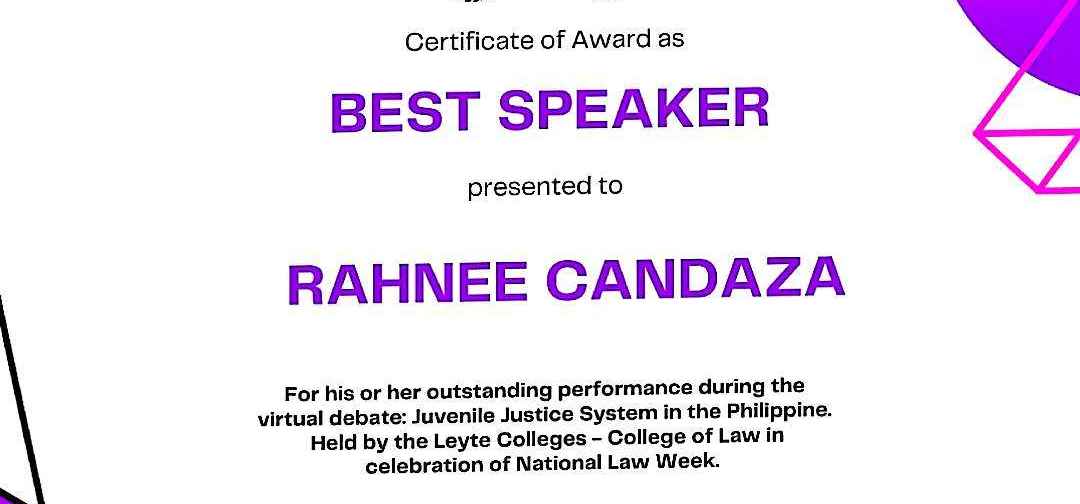
Five years ago, as a law student, I debated against lowering the age of criminal liability. Today, after the heartbreaking school shooting in Tacloban City, I still believe the issue is bigger than the law alone. Parents, schools, communities, and even the child all share responsibility. Before asking who is to blame, perhaps we should ask: What warning signs did we miss, and what can we do to prevent this from happening again? Prayers for the victims and their families. 🙏
Reflections from a Mother, a Teacher, and a Former Law Student on the Recent School Shooting in Tacloban City
The recent shooting incident in one of the schools in Tacloban City has left many of us shocked, saddened, and searching for answers. As a mother and a teacher watching the news from thousands of miles away, my heart aches not only for the victims and their families but also for an entire community now burdened by grief and fear.
What makes this tragedy even more personal is that it happened just a little over a mile from where my own three children attend school. Despite the distance between us, I always make it a point to ask how their day went, who they were with, and how they are feeling. Perhaps that is what every parent does when love is mixed with worry. Incidents like these remind us that no distance can diminish a parent's concern for their children.
The question now being asked is simple, yet difficult:
Who is to blame?
Is it the teachers?
Is it the absence of security personnel or the lack of stricter screening measures?
Is it the school administration?
Or is it the parents who may have failed to recognize warning signs and provide firm guidance at home?
The truth is, tragedies of this nature rarely have a single cause. Blame cannot be conveniently placed on one person or one institution. Teachers are educators, not mind readers. Security measures can reduce risks, but no school can become a fortress. Parents, despite their best efforts, may not always see what their children hide behind closed doors.
Yet if there is one place where accountability must begin, it is within the home. Values, discipline, empathy, respect for life, and responsibility are first taught long before a child enters a classroom. Schools reinforce these values, but families plant the seeds.
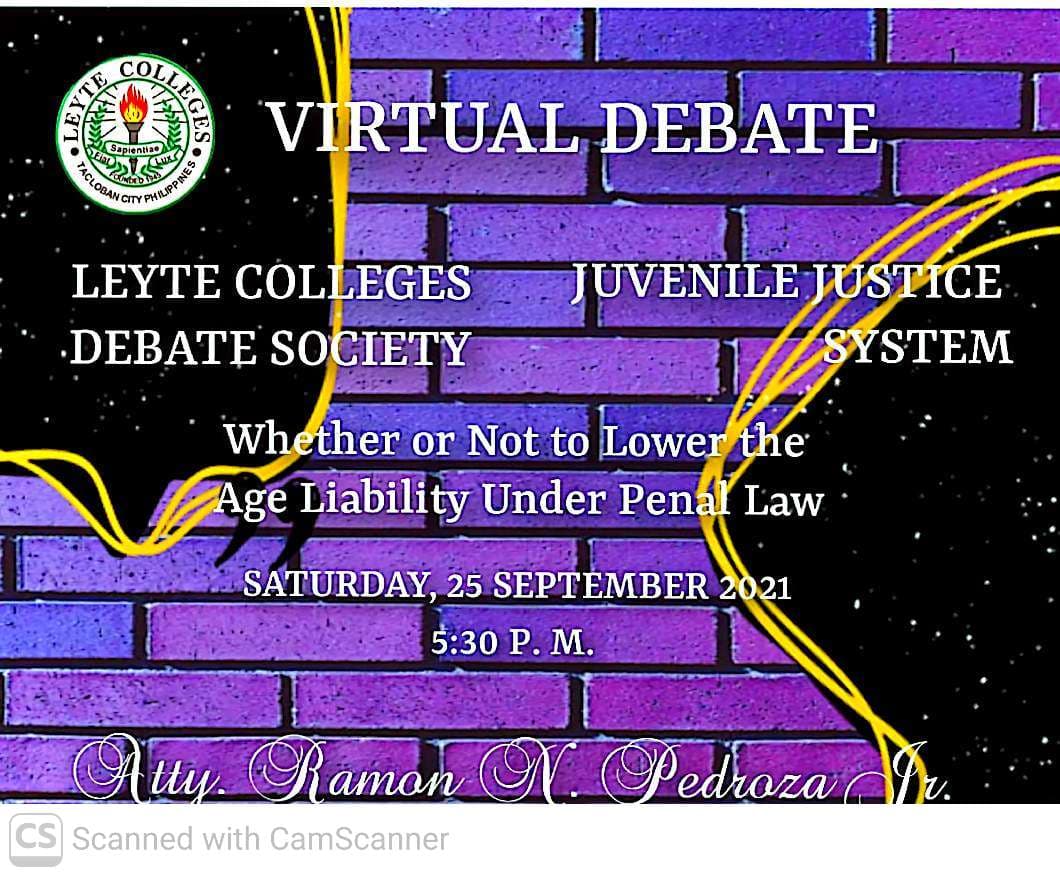
Five years ago, as a first-year law student during the pandemic's hybrid-learning era, I participated in a debate organized by the Leyte Colleges College of Law. The topic was whether the age of criminal liability should be lowered. I belonged to the negative side, arguing against lowering the age.
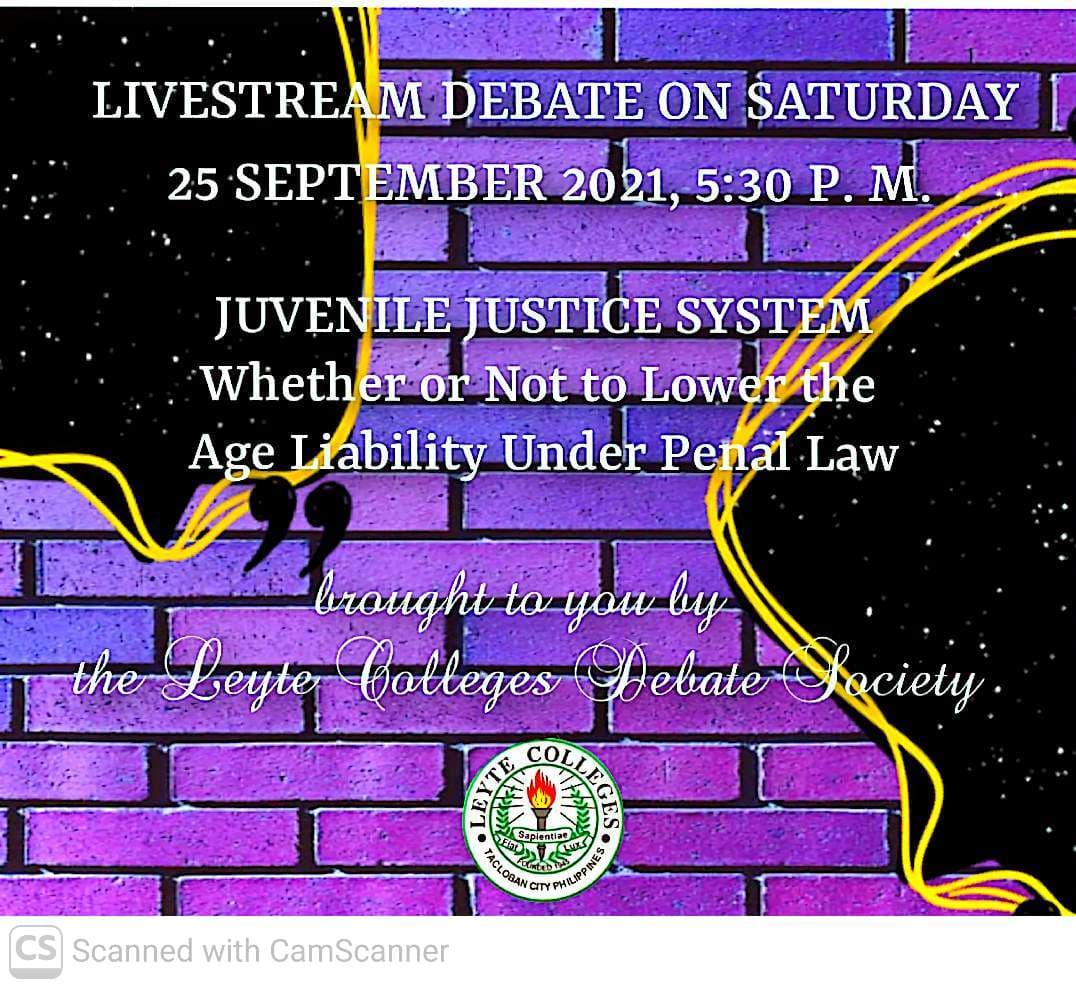
At the time, my position was rooted in the belief that children are still developing emotionally, psychologically, and socially. I argued that rehabilitation should remain at the heart of our juvenile justice system. Society should not rush to punish children as adults without considering the circumstances that shaped them.
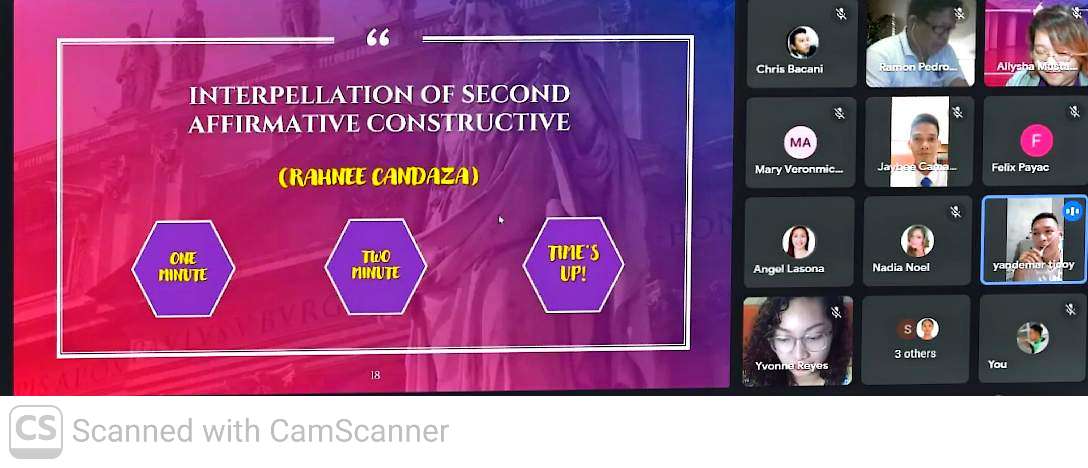
Today, however, as I revisit that debate in light of recent events, I realize that the conversation is far more complex than choosing between punishment and protection.
Children today have unprecedented access to information, technology, and social media. Many are fully aware of the consequences of their actions. When a young person plans violence, posts warnings online, acquires a weapon, and carries out an attack, it raises difficult questions about discernment, accountability, and responsibility.
Does this mean the juvenile justice system has failed?
Not necessarily.
The law can only respond after harm has already occurred. It cannot replace parental guidance, community involvement, mental health support, or moral formation. No legal system, no matter how well written, can compensate for every failure in the environments that shape a child.
What happened in Tacloban should not merely spark debates about age, punishment, or legal reforms. It should challenge us to ask harder questions:
Are we listening to our children?
Are we paying attention to warning signs?
Are we teaching accountability alongside compassion?
Are we creating environments where young people feel guided, valued, and heard?
As a mother, I grieve for the families affected.
As a teacher, I worry for every student who now feels unsafe.
As a former law student, I recognize that laws are only one part of the solution.
The juvenile justice system may not be perfect, but neither is it solely to blame. The answer lies not in pointing fingers but in recognizing our shared responsibility. Parents, schools, communities, policymakers, and even the children themselves all have a role to play.
Because when a young life chooses violence, the question should not only be "Who is to blame?"
It should also be: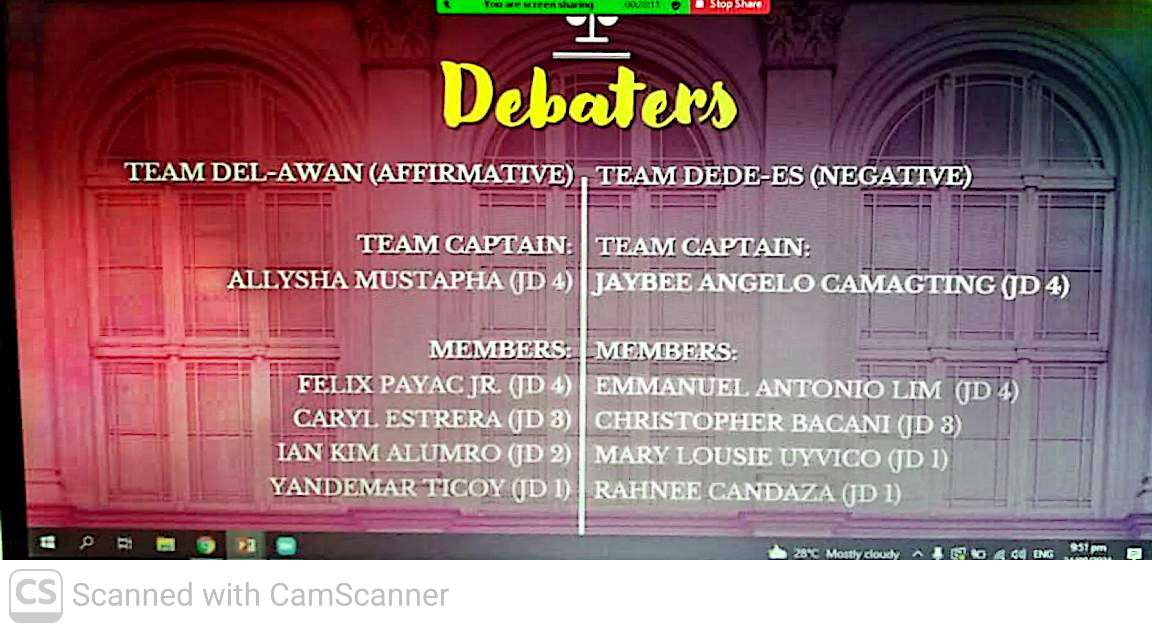
"What could we have done before it came to this?"
- Disability Justice
- Peace & Security
- Human Rights
- Leadership
- Education
- Behind the Headlines
- Global